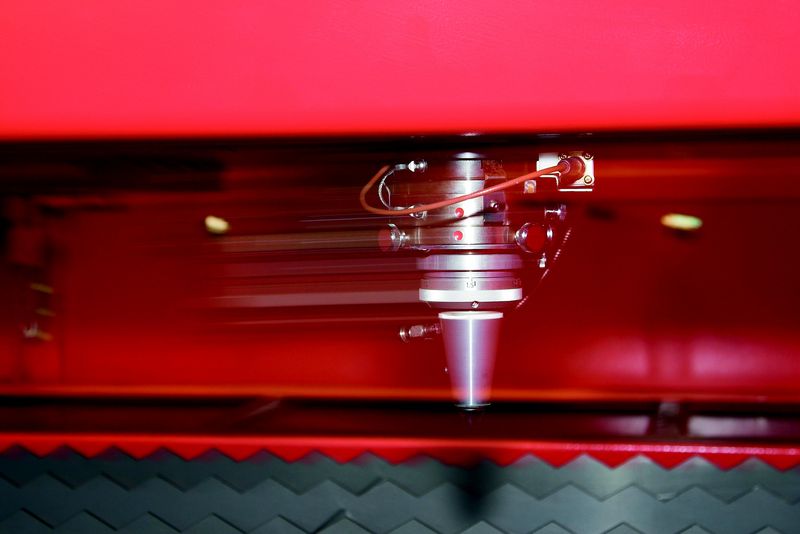
The QUATTRO is one of the most flexible, efficient and compact lasers on the market. Many metal working companies have a large number of components to manufacture but only need to produce one or two at a time. Ease of use, plus low operating costs make the QUATTRO the ideal solution for low volumes, without forgoing precision and quality.
This machine is no longer available.
Find the laser machine that suits your needs
The footage allegedly depicts a group of five anime-style children (reminiscent of late-80s Studio Ghibli character designs) stranded on a geologically impossible island. The island changes shape between cuts—sometimes a lush tropical paradise, other times a concrete overcast slab reminiscent of the artificial island of in Tokyo Bay. The “zombies” in this film are not the shambling, flesh-eating kind. They are described as “still people” —adults frozen in mid-action, covered in a black, calcified moss. Their eyes are wide open, tears frozen as crystals, repeating the last words they heard before their petrification.
The “zombies” in this world are not monsters. They are the adults who checked out. They are the parents glued to their smartphones, the teachers repeating scripted lessons, the politicians smiling from television screens as the world calcifies. The children on the island are not fighting to survive; they are fighting to be seen . The Zombie Island -Osanagocoronokimini-
To understand The Zombie Island -Osanagocoronokimini- , one must first dissect its cryptic title. The phrase appears to be a linguistic chimera. “The Zombie Island” is a trope familiar to Western audiences—think Resident Evil or Dead Island . However, the subtitle, Osanagocoronokimini , is a string of Japanese that fractures upon translation. Broken down, it suggests Osanago (幼な子 – young child/infant), Koro (頃 – approximately/that time), Koro (コロ – colloquial onomatopoeia for rolling or, more darkly, ‘corona’), and Kimini (キミに – to you). A crude translation yields: “To you, the child of the time of the rolling crown/corona.” The footage allegedly depicts a group of five
According to the post, the tape contained 47 minutes of grainy, VHS-distorted footage. The user described it as “a crossover I never asked for—like Ojamajo Doremi was left in the sun too long, then mixed with the nihilism of Shin Godzilla .” They are described as “still people” —adults frozen
On the wall, written in crayon, were the words: “You are already on the island.”

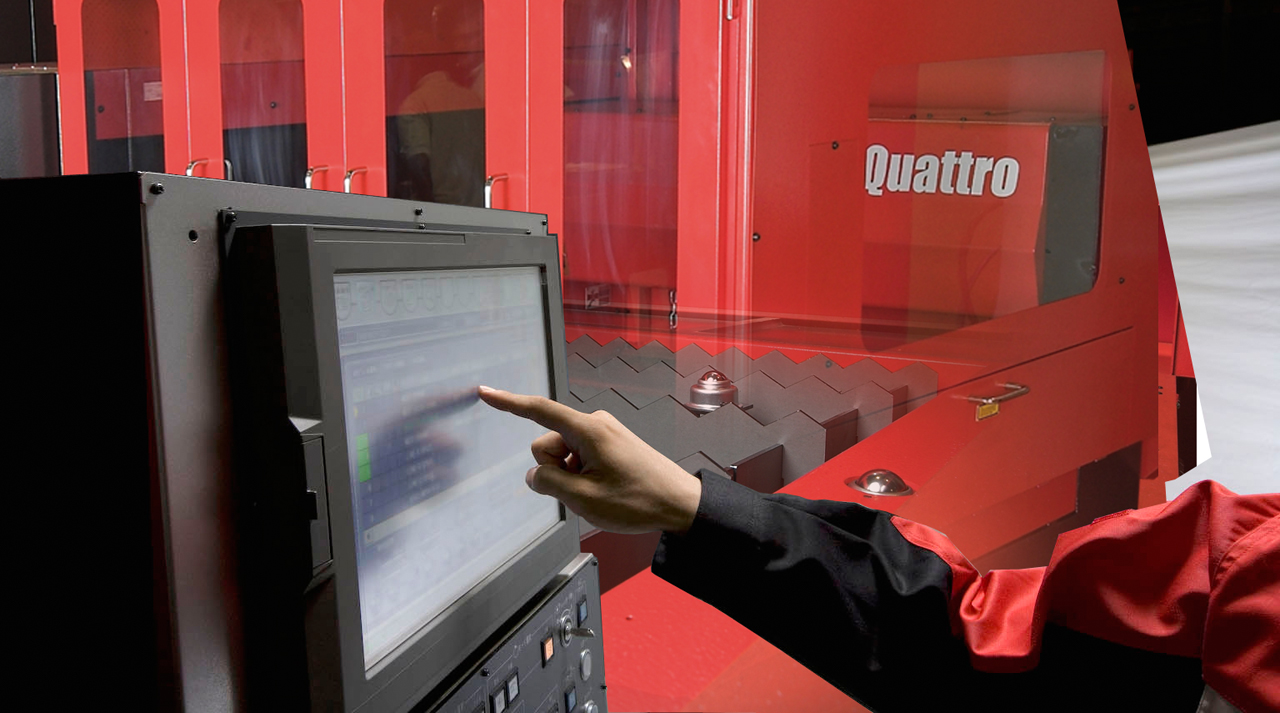
FULL ACCESS TO THE CUTTING AREA:
The three accessible sides of the QUATTRO laser facilitate sheet metal loading and unloading. Large-sized sheets which are bigger than the work area can also be processed, repositioning them manually.
COMPACT STRUCTURE:
With a footprint of just 6.4 m2, the QUATTRO is AMADA's smallest laser. The oscillator and numerical control are contained within the machine to maintain its extremely compact size.
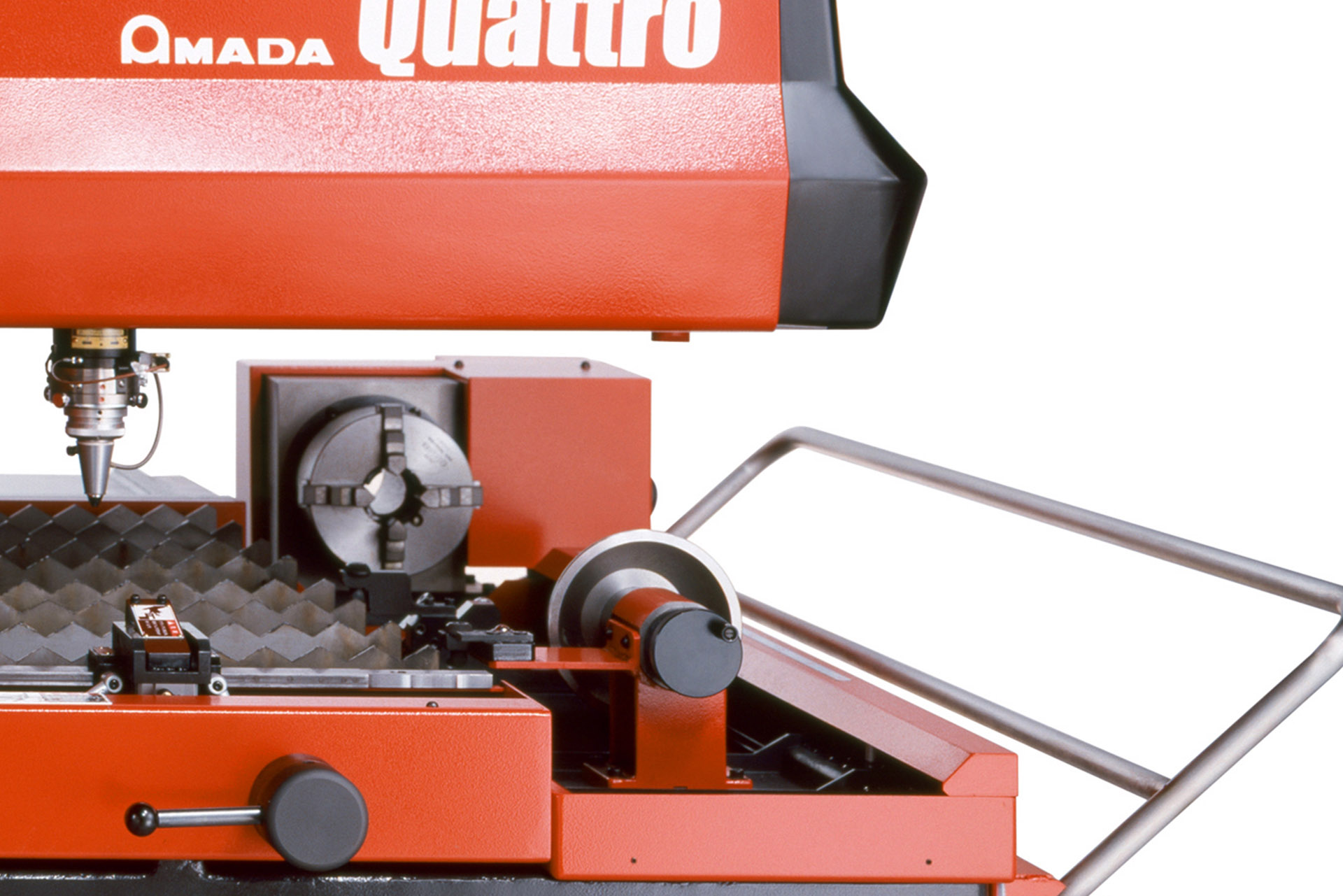
DIVERSIFIED PROCESSING:
With the QUATTRO, not only sheet metal but rectangular and square tubes can be processed, providing even greater flexibility. (Option)
FULL ACCESS TO THE CUTTING AREA:
The three accessible sides of the QUATTRO laser facilitate sheet metal loading and unloading. Large-sized sheets which are bigger than the work area can also be processed, repositioning them manually.
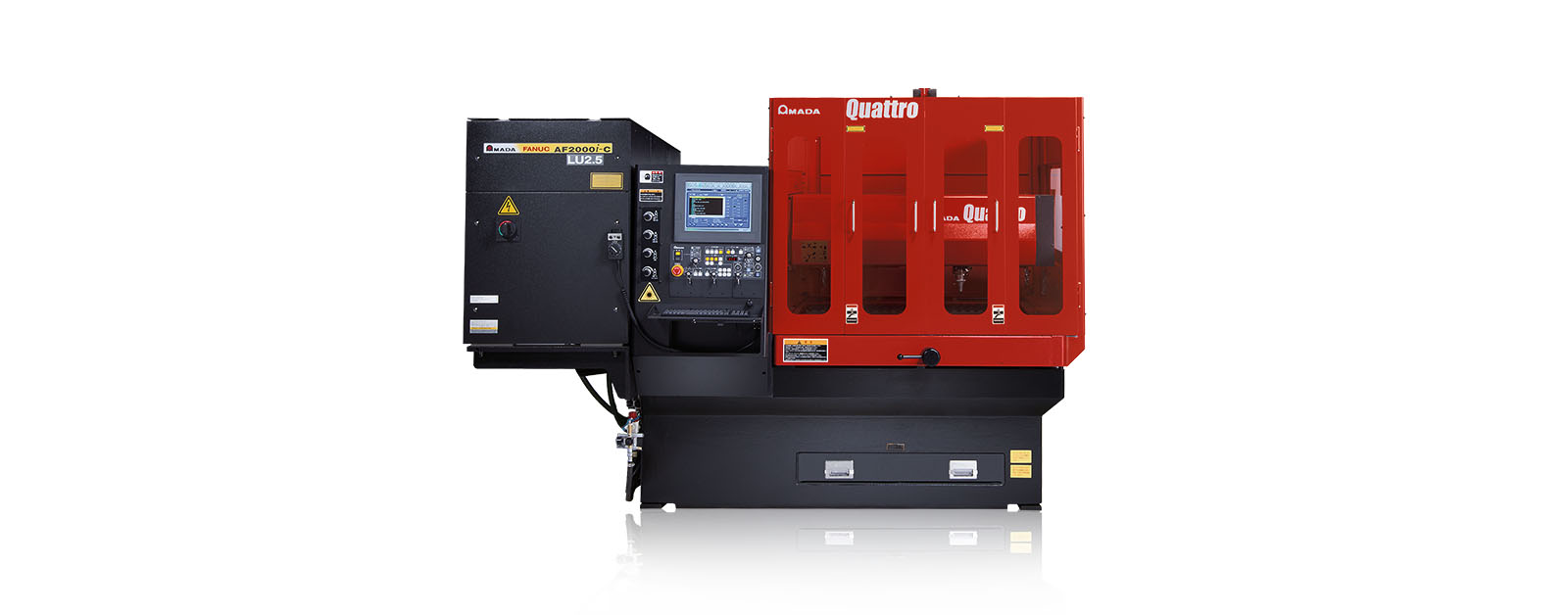
COMPACT STRUCTURE:
With a footprint of just 6.4 m2, the QUATTRO is AMADA's smallest laser. The oscillator and numerical control are contained within the machine to maintain its extremely compact size.
DIVERSIFIED PROCESSING:
With the QUATTRO, not only sheet metal but rectangular and square tubes can be processed, providing even greater flexibility. (Option)
| QUATTRO | QUATTRO | |
|---|---|---|
| Laser power (W) | 1000 | 2500 |
| Machine type | CO₂ flying optic laser | CO₂ flying optic laser |
| Working range X x Y (mm) | 1250 x 1250 | 1250 x 1250 |
| Working range Z-axis (mm) | 100 | 100 |
| Table loading weight (kg) | 80 | 160 |
Material thickness (max.)*: | ||
| - Mild steel (mm) | 6 | 12 |
| - Stainless steel (mm) | 2 | 5 |
| - Aluminium (mm) | 1 | 4 |
Dimensions: | ||
| Length (mm) | 2900 | 2950 |
| Width (mm) | 2450 | 2450 |
| Height (mm) | 2160 | 2160 |
| Weight (kg) | 3750 | 4150 |
* Maximum thickness value depends on material quality and environmental conditions
Technical data can vary depending on configuration / options
Please contact us for more details and options or download our brochure

For your safe use.
Be sure to read the user manual carefully before use.
When using this product, appropriate personal protection equipment must be used.
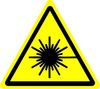
Laser class 1 when operated in accordance to EN 60825-1
The footage allegedly depicts a group of five anime-style children (reminiscent of late-80s Studio Ghibli character designs) stranded on a geologically impossible island. The island changes shape between cuts—sometimes a lush tropical paradise, other times a concrete overcast slab reminiscent of the artificial island of in Tokyo Bay. The “zombies” in this film are not the shambling, flesh-eating kind. They are described as “still people” —adults frozen in mid-action, covered in a black, calcified moss. Their eyes are wide open, tears frozen as crystals, repeating the last words they heard before their petrification.
The “zombies” in this world are not monsters. They are the adults who checked out. They are the parents glued to their smartphones, the teachers repeating scripted lessons, the politicians smiling from television screens as the world calcifies. The children on the island are not fighting to survive; they are fighting to be seen .
To understand The Zombie Island -Osanagocoronokimini- , one must first dissect its cryptic title. The phrase appears to be a linguistic chimera. “The Zombie Island” is a trope familiar to Western audiences—think Resident Evil or Dead Island . However, the subtitle, Osanagocoronokimini , is a string of Japanese that fractures upon translation. Broken down, it suggests Osanago (幼な子 – young child/infant), Koro (頃 – approximately/that time), Koro (コロ – colloquial onomatopoeia for rolling or, more darkly, ‘corona’), and Kimini (キミに – to you). A crude translation yields: “To you, the child of the time of the rolling crown/corona.”
According to the post, the tape contained 47 minutes of grainy, VHS-distorted footage. The user described it as “a crossover I never asked for—like Ojamajo Doremi was left in the sun too long, then mixed with the nihilism of Shin Godzilla .”
On the wall, written in crayon, were the words: “You are already on the island.”