Property Sex - Annika Eve - Give Me Two Months ... -
When Annika gives a broken-down garage to a mechanic she loves, she isn’t giving a building. She is giving a workshop for his dreams. When she gives a vacant lot to a community garden organized by her shy admirer, she is giving permission for his vision.
Giving property here becomes synonymous with giving permission to belong. It’s the ultimate antidote to the modern dating fear of being "a guest" in someone’s life. Not every romantic storyline has a happy, acquisitive ending. The most heartbreaking (and thus most popular) arc in the Annika Eve series revolves around giving property away to set someone free .
And that, more than any diamond or declaration, is the most romantic storyline of all. Keywords integrated: Property Annika Eve, Give relationships, romantic storylines, real estate romance, love and legacy, narrative tropes. Property Sex - Annika Eve - Give Me Two Months ...
In the vast landscape of contemporary romance fiction and relationship dramas, a new name has begun to echo through the corridors of streaming platforms and book clubs alike: Property Annika Eve . At first glance, the phrase sounds like a legal clause or a real estate holding company. But for those in the know, Property Annika Eve represents a groundbreaking narrative universe—one where physical spaces are not just backdrops for love, but active, breathing participants in the art of giving, receiving, and redefining relationships.
The genius of the keyword is that it reminds us of a simple, profound truth. All great romance novels ask, “Will they end up together?” The Annika Eve universe asks a different, more urgent question: “What will they build together? And what will they be brave enough to give away?” When Annika gives a broken-down garage to a
The argument becomes: Do we sell the property to retire comfortably, or do we give it as a stewardship to our chosen family? The romance here is slow, patient, and rooted in soil. The climax is not a proposal, but a signing of a community land trust. It is radical, quiet, and profoundly intimate. The success of this keyword lies in its specific narrative tropes. Let’s break down three storylines that fans cannot stop discussing on social media (often under the hashtag #AnnikaGive). Storyline 1: The "Hostile Bid" Lovers The Setup: Annika is a ruthless property acquisition specialist. Her rival, Julian, is a historic preservationist. They are enemies bidding against each other for a row of brownstones. The Give: After a year of legal warfare, Annika wins the bid. But instead of demolishing the brownstones, she gives the deeds to Julian for $1. “You love them more than I ever could.” The Romance: The storyline pivots when Julian realizes that Annika’s "hostile" nature was a shield for grief (her family lost their home as a child). He renovates her childhood home—which he had secretly bought at auction—and gives her the front door as a gift. The romance is a dance of property, revenge, and redemption. Storyline 2: The "Lease for a Lifetime" The Setup: A mistaken identity plot where Annika, a homeless single mother, is wrongly listed as the heir to a penthouse co-op. The real heir, a cynical cardiologist named Dr. Marcus, discovers the error. The Give: Instead of evicting her, Marcus gives her a 99-year lease for $0, on the condition that she teaches him how to feel again. The Romance: This slow-burn storyline focuses on the lack of romantic gestures in favor of structural ones. He installs a wheelchair ramp for her disabled father. She cooks him dinner in "his" kitchen. When they finally kiss, it is not on a beach, but in front of a notary public, signing a co-habitation agreement. It is absurdly romantic because it is responsible. Storyline 3: The Reverse Give (The Abandonment Arc) The Setup: Annika is the one receiving property—a cursed manor from a dying ex-lover. The Give: The ex-lover, Cassandra, gives the manor to Annika’s new partner as a wedding gift, with a note: “Love her on these grounds. I couldn’t.” The Romance: The storyline explores jealousy and meta-romance. Annika’s new partner must decide: accept the property (and the ghost of the past) or reject it. In the end, they accept it, renovate the manor into a queer artist retreat, and name the central garden after Cassandra. It is a storyline about giving property as a way to bless—not curse—a new relationship. Why "Giving" Instead of "Buying" or "Owning"? Modern romantic storylines are saturated with materialism—the grand gesture of buying a car, the proposal with a diamond. Property Annika Eve subverts this by focusing on non-financial giving . The property exchanged is rarely about market value. It is about emotional value.
This article dives deep into the core keyword, exploring how Property Annika Eve has become a cultural touchstone for examining modern romantic storylines, the psychology of "giving" in partnerships, and the metaphorical weight of property as a vessel for emotional investment. To understand the impact of this concept, we must first deconstruct the name. "Property" in this context is not about ownership in the transactional sense, but about stewardship . "Annika" evokes a sense of classic grace—resilient, intelligent, warm. "Eve" suggests origin, new beginnings, and the foundational nature of choice. The most heartbreaking (and thus most popular) arc
The answer, it turns out, is not a heart. Not a promise. But a place. A property. A piece of the world that says, “You belong here.”
Prophets In Quran & Their Ancestry
A Journey Through Revelation - Unveiling The Prophetic Legacy
Read More
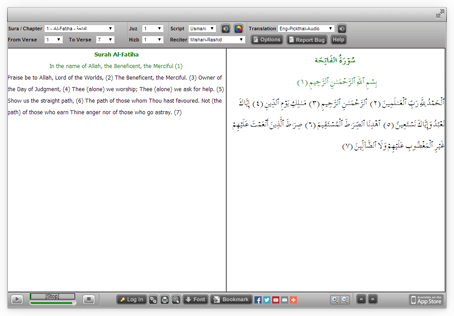
Quran Explorer
Our well known Web client for Recitation & Translation. Its user friendly & completely installation free
Visit Now


Nikah Explorer
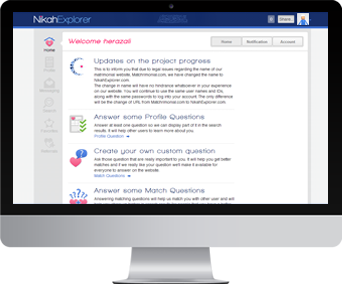
NikahExplorer.com is the #1 choice for Single Muslims across the globe to find their ideal life partner through a unique Shariah compliant match making website
Register For Free
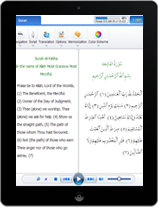
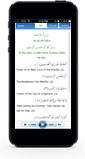
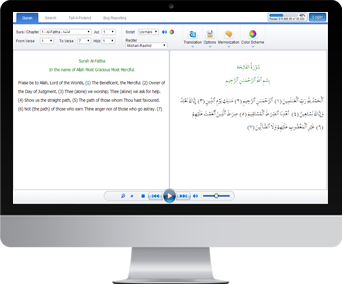
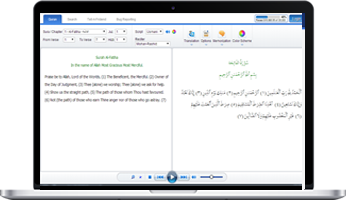
New Quran Explorer Web App
Compatible with your new Tablet & Smartphone along with advance log in & tracking feature
Visit Now
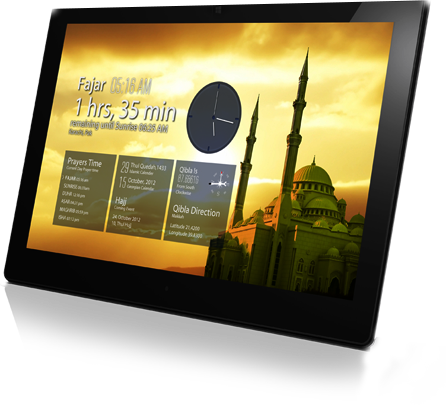
Salah Explorer
- Auto detect local Salah times
- Salah time view in 5 or 30 days interface
- Location based Qibla direction
- Both Islamic and Georgian calendar
- Salah timings for Hanfi & Shafi
- Custom location settings
- Automatically updates when connected
Download
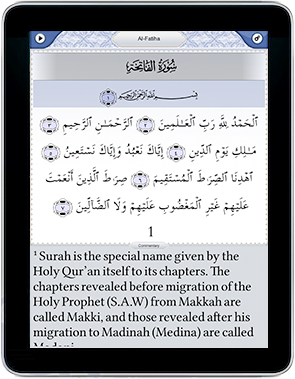
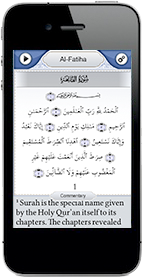
iPhone / iPad App
Simple to use with high quality audio. Your favorite Quran reading application is now available for iPhone & iPad with lots of new features
Visit App Store
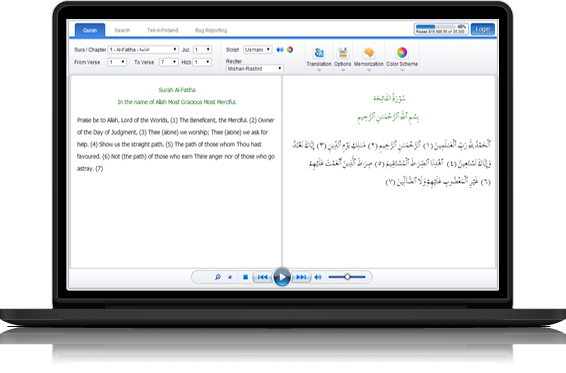
Quran Desktop
Listen to The Quran recitation & translation in Arabic, English and Urdu. This application is now available in both online & offline modes
Get Desktop App

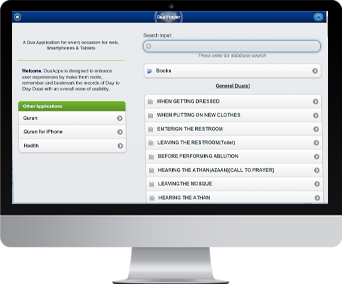
Dua App
Four popular Dua books digitized and searchable containing 1000+ Duas (Supplications) for daily use or special circumstances. Designed to be optimized for Tablets, Smart Phones, and Desktop
Visit Now

Quran Interactive
Learn to read The Holy Quran online with professional teachers. Join hundreds of people that are benefiting from our advance teaching system
Sign up now for a 2 days FREE trial evaluation
Sign UP Now
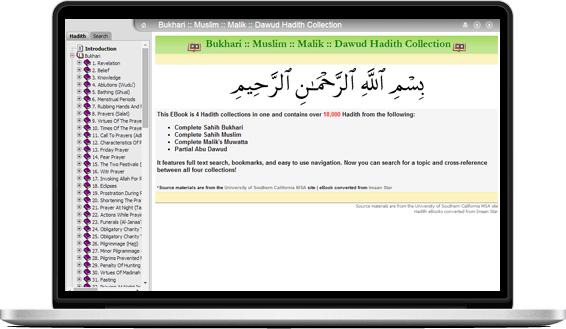
Hadith Explorer
18,000+ Hadith from Bukhari, Muslim, Malik and Dawud searchable & organized in easy to view chapters
Visit Now
When Annika gives a broken-down garage to a mechanic she loves, she isn’t giving a building. She is giving a workshop for his dreams. When she gives a vacant lot to a community garden organized by her shy admirer, she is giving permission for his vision.
Giving property here becomes synonymous with giving permission to belong. It’s the ultimate antidote to the modern dating fear of being "a guest" in someone’s life. Not every romantic storyline has a happy, acquisitive ending. The most heartbreaking (and thus most popular) arc in the Annika Eve series revolves around giving property away to set someone free .
And that, more than any diamond or declaration, is the most romantic storyline of all. Keywords integrated: Property Annika Eve, Give relationships, romantic storylines, real estate romance, love and legacy, narrative tropes.
In the vast landscape of contemporary romance fiction and relationship dramas, a new name has begun to echo through the corridors of streaming platforms and book clubs alike: Property Annika Eve . At first glance, the phrase sounds like a legal clause or a real estate holding company. But for those in the know, Property Annika Eve represents a groundbreaking narrative universe—one where physical spaces are not just backdrops for love, but active, breathing participants in the art of giving, receiving, and redefining relationships.
The genius of the keyword is that it reminds us of a simple, profound truth. All great romance novels ask, “Will they end up together?” The Annika Eve universe asks a different, more urgent question: “What will they build together? And what will they be brave enough to give away?”
The argument becomes: Do we sell the property to retire comfortably, or do we give it as a stewardship to our chosen family? The romance here is slow, patient, and rooted in soil. The climax is not a proposal, but a signing of a community land trust. It is radical, quiet, and profoundly intimate. The success of this keyword lies in its specific narrative tropes. Let’s break down three storylines that fans cannot stop discussing on social media (often under the hashtag #AnnikaGive). Storyline 1: The "Hostile Bid" Lovers The Setup: Annika is a ruthless property acquisition specialist. Her rival, Julian, is a historic preservationist. They are enemies bidding against each other for a row of brownstones. The Give: After a year of legal warfare, Annika wins the bid. But instead of demolishing the brownstones, she gives the deeds to Julian for $1. “You love them more than I ever could.” The Romance: The storyline pivots when Julian realizes that Annika’s "hostile" nature was a shield for grief (her family lost their home as a child). He renovates her childhood home—which he had secretly bought at auction—and gives her the front door as a gift. The romance is a dance of property, revenge, and redemption. Storyline 2: The "Lease for a Lifetime" The Setup: A mistaken identity plot where Annika, a homeless single mother, is wrongly listed as the heir to a penthouse co-op. The real heir, a cynical cardiologist named Dr. Marcus, discovers the error. The Give: Instead of evicting her, Marcus gives her a 99-year lease for $0, on the condition that she teaches him how to feel again. The Romance: This slow-burn storyline focuses on the lack of romantic gestures in favor of structural ones. He installs a wheelchair ramp for her disabled father. She cooks him dinner in "his" kitchen. When they finally kiss, it is not on a beach, but in front of a notary public, signing a co-habitation agreement. It is absurdly romantic because it is responsible. Storyline 3: The Reverse Give (The Abandonment Arc) The Setup: Annika is the one receiving property—a cursed manor from a dying ex-lover. The Give: The ex-lover, Cassandra, gives the manor to Annika’s new partner as a wedding gift, with a note: “Love her on these grounds. I couldn’t.” The Romance: The storyline explores jealousy and meta-romance. Annika’s new partner must decide: accept the property (and the ghost of the past) or reject it. In the end, they accept it, renovate the manor into a queer artist retreat, and name the central garden after Cassandra. It is a storyline about giving property as a way to bless—not curse—a new relationship. Why "Giving" Instead of "Buying" or "Owning"? Modern romantic storylines are saturated with materialism—the grand gesture of buying a car, the proposal with a diamond. Property Annika Eve subverts this by focusing on non-financial giving . The property exchanged is rarely about market value. It is about emotional value.
This article dives deep into the core keyword, exploring how Property Annika Eve has become a cultural touchstone for examining modern romantic storylines, the psychology of "giving" in partnerships, and the metaphorical weight of property as a vessel for emotional investment. To understand the impact of this concept, we must first deconstruct the name. "Property" in this context is not about ownership in the transactional sense, but about stewardship . "Annika" evokes a sense of classic grace—resilient, intelligent, warm. "Eve" suggests origin, new beginnings, and the foundational nature of choice.
The answer, it turns out, is not a heart. Not a promise. But a place. A property. A piece of the world that says, “You belong here.”