
- +977-9841229765
- +977-9813789865
The next time you see a Kurdish friend succeed, or when the spring equinox rolls around, don't just say "Good for you." Look them in the eye and say:
In the age of digital communication, this term has transcended its linguistic roots to become a cultural identifier. Searching for "Mubarakan Kurdish" reveals a world of celebrations, traditions, and a unique linguistic signature that sets the Kurds apart. But what does it truly mean? And why is this word so central to Kurdish identity? To understand "Mubarakan," we must first look at the linguistic landscape of Kurdish. Kurdish is not a monolithic language; it has two primary dialects: Kurmanji (Northern Kurdish) and Sorani (Central Kurdish) , along with Zazaki and Gorani.
If you have ever spent time with Kurdish friends, watched a Kurdish film, or traveled through the regions of Kurdistan (spanning Turkey, Iraq, Iran, and Syria), you have almost certainly heard the melodic and warm word: Mubarakan .
However, language is living. Kurds have used Mubarakan for centuries. In the Sorani dictionary, it is fully lexicalized. As one Kurdish linguist put it: "English uses 'Café' from French. We use 'Mubarakan' from Arabic. That doesn't make us less Kurdish; it makes us cosmopolitan."
It has become a . When you see a post captioned "Mubarakan birayam" (Congratulations my brother), you know exactly which tribe, which mountain range, and which heart that person comes from. Conclusion: A Word That Feels Like Home So, what is "Mubarakan Kurdish"?
(Congratulations, friend.)
The next time you see a Kurdish friend succeed, or when the spring equinox rolls around, don't just say "Good for you." Look them in the eye and say:
In the age of digital communication, this term has transcended its linguistic roots to become a cultural identifier. Searching for "Mubarakan Kurdish" reveals a world of celebrations, traditions, and a unique linguistic signature that sets the Kurds apart. But what does it truly mean? And why is this word so central to Kurdish identity? To understand "Mubarakan," we must first look at the linguistic landscape of Kurdish. Kurdish is not a monolithic language; it has two primary dialects: Kurmanji (Northern Kurdish) and Sorani (Central Kurdish) , along with Zazaki and Gorani.
If you have ever spent time with Kurdish friends, watched a Kurdish film, or traveled through the regions of Kurdistan (spanning Turkey, Iraq, Iran, and Syria), you have almost certainly heard the melodic and warm word: Mubarakan .
However, language is living. Kurds have used Mubarakan for centuries. In the Sorani dictionary, it is fully lexicalized. As one Kurdish linguist put it: "English uses 'Café' from French. We use 'Mubarakan' from Arabic. That doesn't make us less Kurdish; it makes us cosmopolitan."
It has become a . When you see a post captioned "Mubarakan birayam" (Congratulations my brother), you know exactly which tribe, which mountain range, and which heart that person comes from. Conclusion: A Word That Feels Like Home So, what is "Mubarakan Kurdish"?
(Congratulations, friend.)
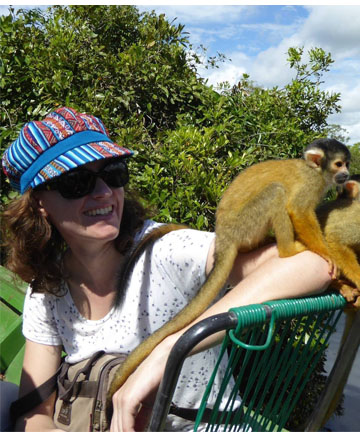
I did the Annapurna Base Camp Tour with two friends of mine. It was my first time in a
country out of Europe and I..
En France
J'ai connu Lakpa il y a bientôt 15ans . durant un séjour en VTT au Tibet .
Je suis resté en contact a.. mubarakan kurdish
I totally recommend Dreams Nepal Holidays. I did the Annapurna Base camp Camp Tour with two friends of mine.
It was m.. The next time you see a Kurdish friend
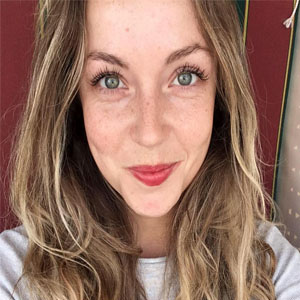
Had the best time and a wonderful experience. Can only recommend. thanks a lot guys. We will come back !
From, Kath.. And why is this word so central to Kurdish identity
Dawa is the best Sherpa guide you could possibly wish to have in Nepal.
He is very experienced, knowledgeable, honest,..

Copyright © 2026, Dreams Nepal Holidays Pvt. Ltd All Rights Reserved. | Design by: webdesigninnepal.com


