waydroid logo

A container-based approach to boot a full Android system on regular GNU/Linux systems running Wayland based desktop environments.

shape shape
Features

Main Features of Waydroid

Waydroid uses Linux namespaces (user, pid, uts, net, mount, ipc) to run a full Android system in a container and provide Android applications on any GNU/Linux-based platform (arm, arm64, x86, x86_64). The Android system inside the container has direct access to needed hardware through LXC and the binder interface.

Free and Open-Source

The Project is completely free and open-source, currently our repo is hosted on Github.

Full app integration

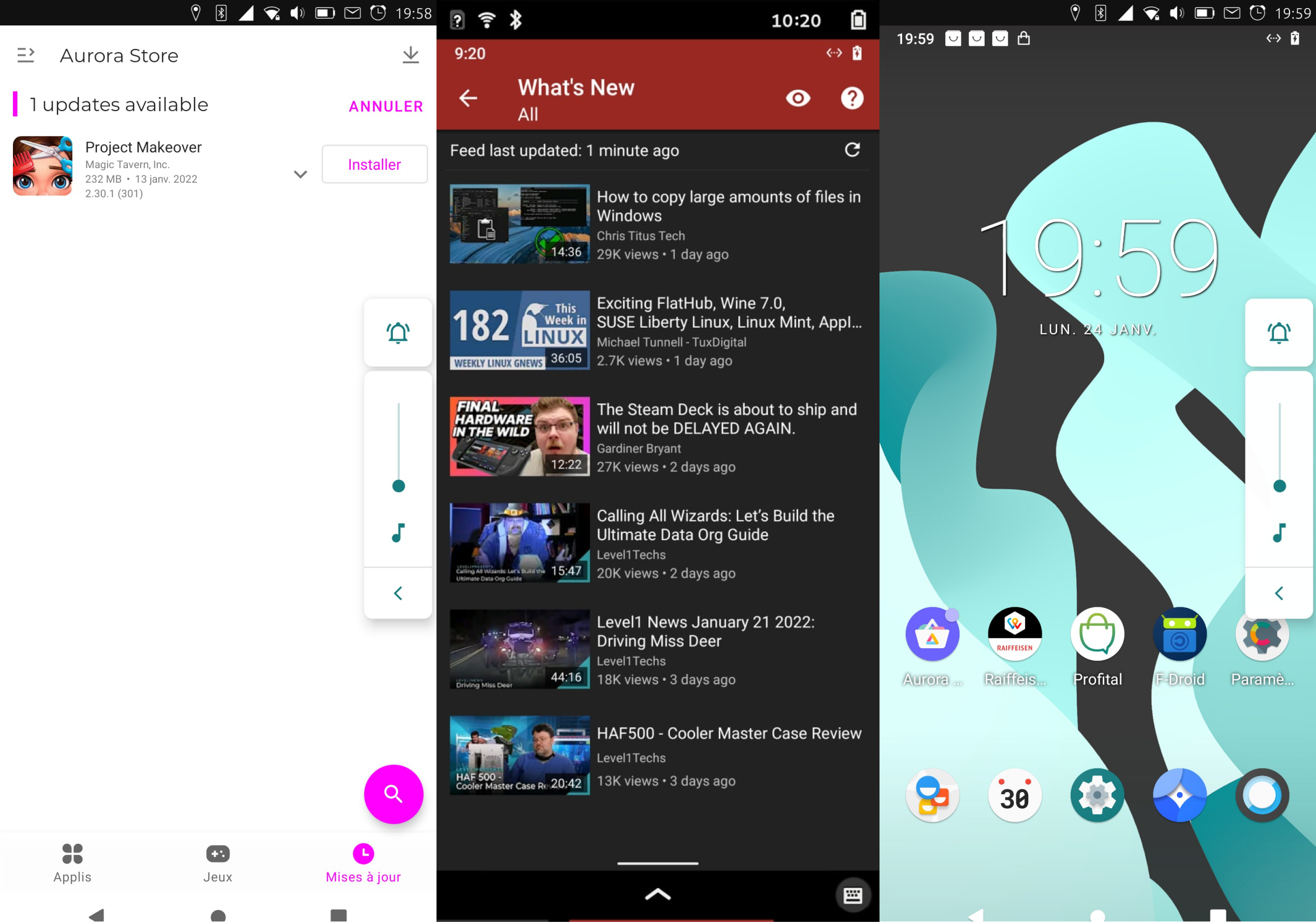
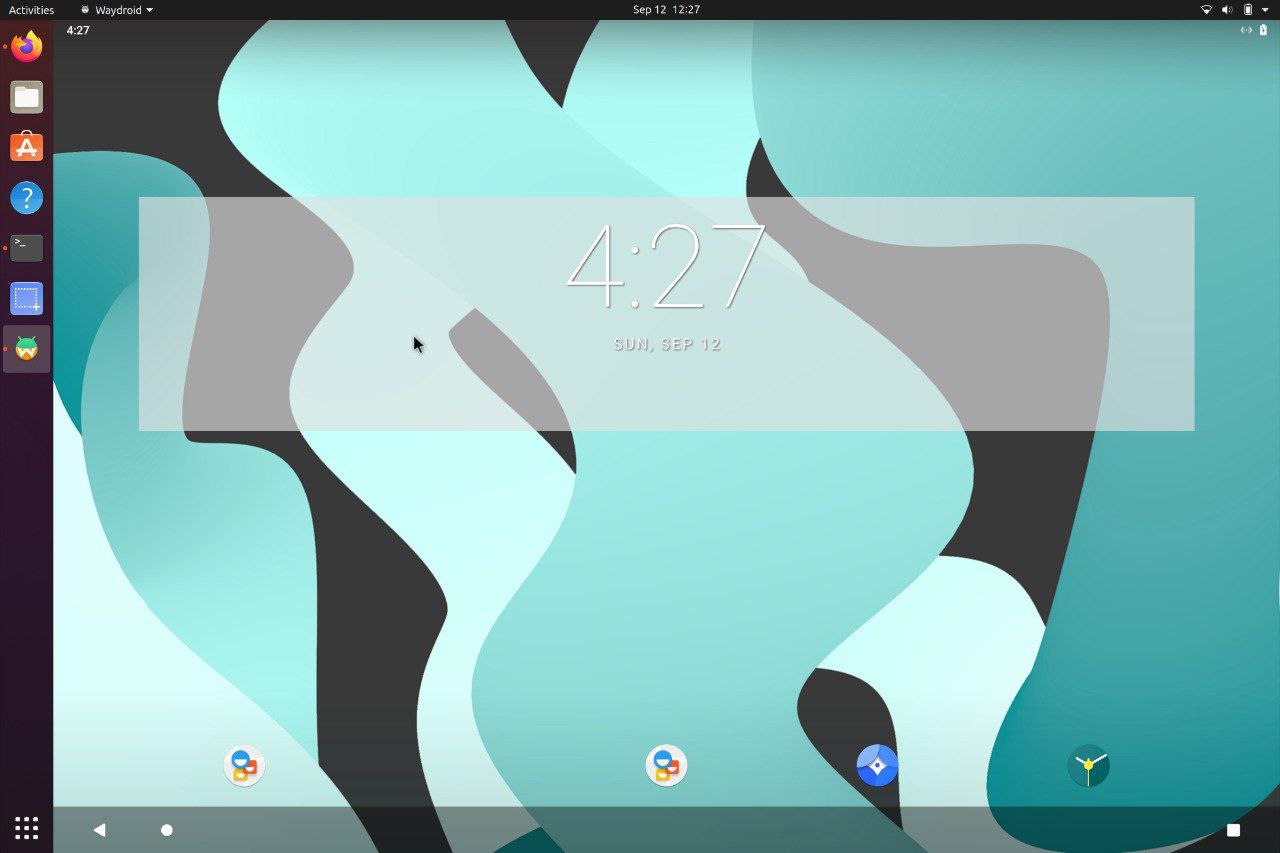
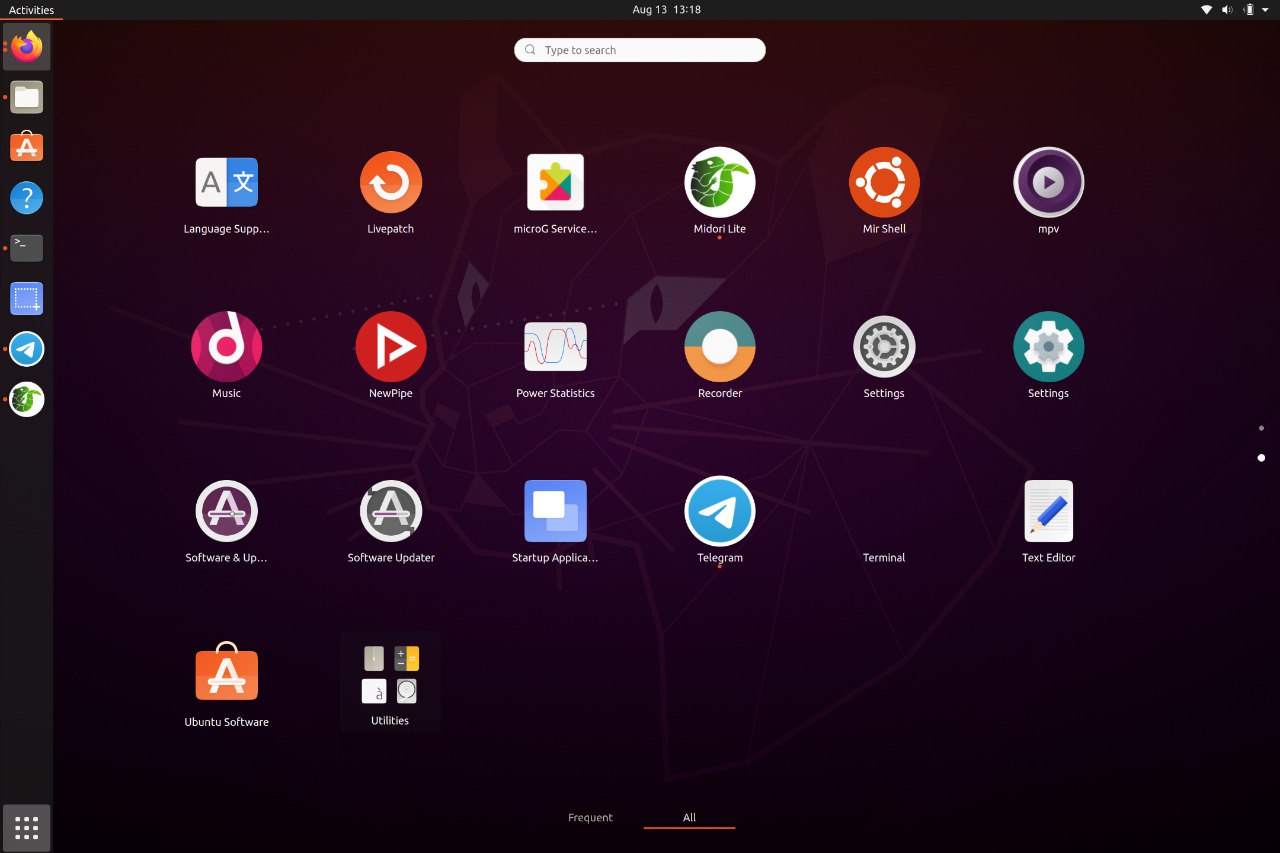
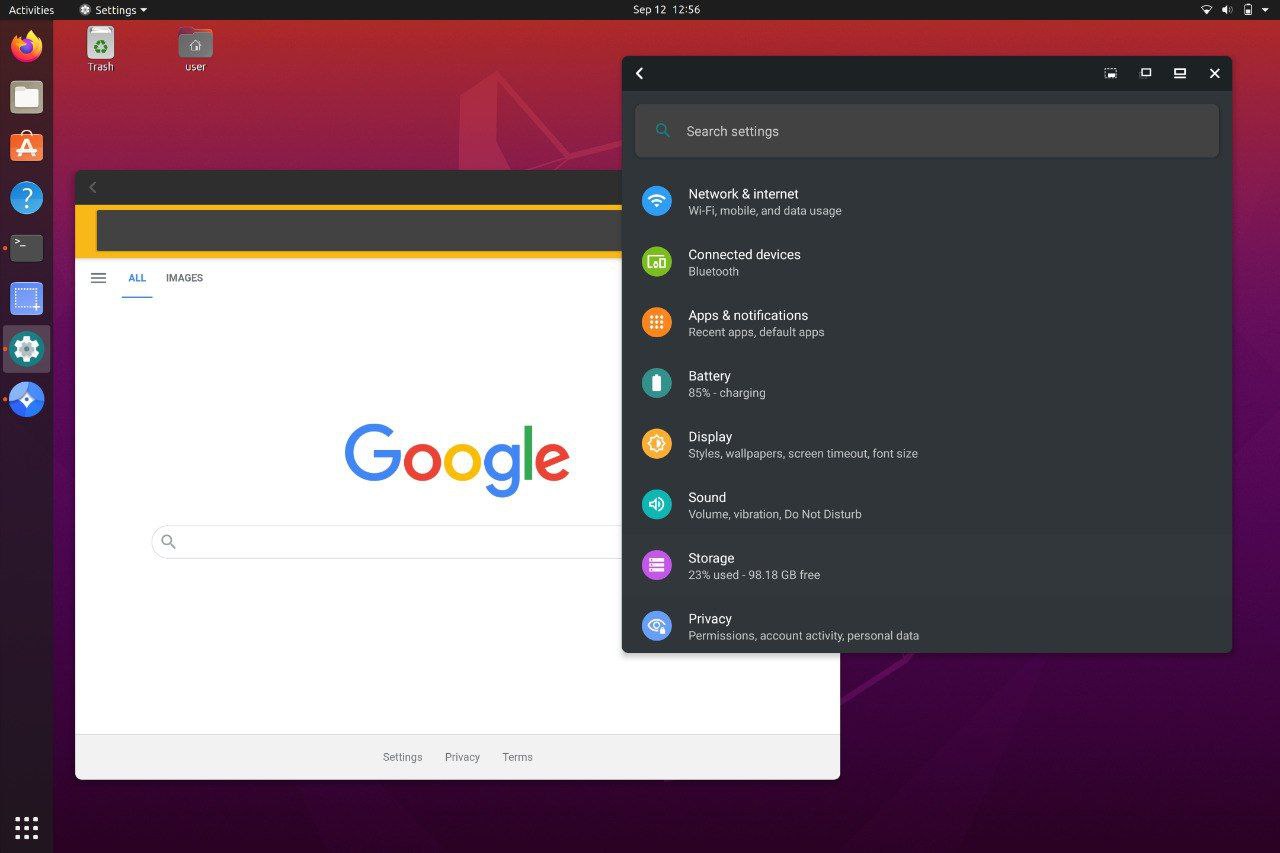
Waydroid integrated with Linux adding the Android apps to your linux applications folder.

Multi-window mode

Waydroid expands on Android freeform window definition, adding a number of features.

Full UI Mode

For gaming and full screen entertainment, Waydroid can also be run to show the full Android UI.

Near native performance

Get the best performance possible using wayland and AOSP mesa, taking things to the next level

Active community

Find out what all the buzz is about and explore all the possibilities Waydroid could bring

About Us

Get your favourite Android Apps on Linux.

Waydroid brings all the apps you love, right to your desktop, working side by side your Linux applications.
The Android inside the container has direct access to needed hardwares.
The Android runtime environment ships with a minimal customized Android system image based on LineageOS. The used image is currently based on Android 13

Install Instructions
about-image
Docs

Our Documentation

Our documentation site can be found at docs.waydro.id

Bugs & Reports

Bug Reports can be filed on our repo Github Repo

Project Development

Our development repositories are hosted on Github

How to Install ?

Please refer to our installation docs for complete installation guide.

Manual Image Download

You can also manually download our images from

sourceforge logo SourceForge
shape
Instructions

Quick install reference

For systemd distributions

Waydroid supports most common architectures (ARM, ARM64, x86 & x86_64 CPUs)

Waydroid uses Android's mesa integration for passthrough, and that enables support to most ARM/ARM64 SOCs on the mobile side, and Intel/AMD GPUs for the PC side. For Nvidia GPUs (except tegra) and VMs, we recommend using software-rendering

Follow the install instructions for your linux distribution. You can find a list in our docs.

After installing you should start the waydroid-container service, if it was not started automatically:

sudo systemctl enable --now waydroid-container

Then launch Waydroid from the applications menu and follow the first-launch wizard.

If prompted, use the following links for System OTA and Vendor OTA:

https://ota.waydro.id/system

https://ota.waydro.id/vendor

For further instructions, please visit the docs site here

Clinical.neuroanatomy.made.ridiculously.simple..pdf «ORIGINAL ✭»

"Clinical Neuroanatomy Made Ridiculously Simple" is a popular educational resource that has revolutionized the way neuroanatomy is taught and learned. This resource, available in PDF format, provides a concise, clear, and engaging introduction to clinical neuroanatomy, making it an ideal companion for medical students, residents, and healthcare professionals.

As a medical student or healthcare professional, understanding clinical neuroanatomy is crucial for diagnosing and treating neurological disorders. However, the complex and intricate nature of the brain can make it challenging to grasp. That's where "Clinical Neuroanatomy Made Ridiculously Simple" comes in – a valuable resource that simplifies the learning process and makes neuroanatomy accessible to everyone. In this article, we'll explore the importance of clinical neuroanatomy, the benefits of using "Clinical Neuroanatomy Made Ridiculously Simple," and provide a comprehensive review of the PDF version of this popular resource. Clinical.Neuroanatomy.Made.Ridiculously.Simple..pdf

Despite its importance, clinical neuroanatomy can be a daunting subject to learn. The brain is a complex and intricate organ, comprising numerous structures, pathways, and systems that can be difficult to visualize and understand. Traditional textbooks and educational resources often present neuroanatomy in a dry, detailed, and overwhelming manner, making it challenging for students to grasp. However, the complex and intricate nature of the

"Clinical Neuroanatomy Made Ridiculously Simple" is a valuable resource that has made neuroanatomy accessible to learners of all levels. The PDF version of this popular educational resource provides a concise, clear, and engaging introduction to clinical neuroanatomy, making it an ideal companion for medical students, residents, and healthcare professionals. By mastering clinical neuroanatomy, healthcare professionals can improve their understanding, confidence, and patient care, ultimately leading to better outcomes. Despite its importance, clinical neuroanatomy can be a

If you're interested in unlocking the secrets of the brain and improving your understanding of clinical neuroanatomy, download the PDF version of "Clinical Neuroanatomy Made Ridiculously Simple" today. With its simplified explanations, visual aids, and clinical correlations, this resource is sure to become an indispensable tool in your medical education or professional practice.
Our Team

Meet The Team

Here are the members of our team

team
shape shape
Erfan Abdi
@erfanoabdi
Lead Developer
team
shape shape
Alessandro Astone
@aleasto
Developer
team
shape shape
Jon West
@electrikjesus
Developer
team
shape shape
Radek Błędowski
@RKBDI
Designer