Widget Ads

In Malawi, for example, Chimunthu has become an important aspect of national identity, reflecting the country's rich cultural heritage. Efforts have been made to preserve and promote the Chimunthu tradition, including the establishment of cultural centers and museums. These initiatives aim to educate the younger generation about the significance of Chimunthu and its role in shaping their cultural identity.

In Part 2, we dove deeper into the world of Chimunthu, exploring its connection to the spiritual realm. We discussed how the Ngoni people believe that Chimunthu are the intermediaries between the living and the divine, serving as messengers and guides. We also examined the various rituals and ceremonies associated with Chimunthu, which are designed to appease and honor these ancestral spirits.

Additionally, there have been debates about the commercialization of Chimunthu, with some critics arguing that the tradition is being exploited for tourism and financial gain. These concerns highlight the need for responsible cultural tourism and preservation efforts, ensuring that the Chimunthu tradition is respected and honored.

In conclusion, Part 3 of our Chimunthu journey has taken us on a fascinating exploration of the significance of Chimunthu in modern times. From its spiritual significance to its role in cultural exchange, Chimunthu continues to captivate audiences around the world. As we reflect on the Chimunthu tradition, we are reminded of the importance of honoring our ancestors and respecting the cultural heritage of diverse communities.

The spiritual significance of Chimunthu extends beyond the Ngoni culture, resonating with spiritual seekers from diverse backgrounds. The concept of Chimunthu speaks to the universal human experience of seeking connection with the divine and honoring the ancestors. As people around the world continue to search for meaning and purpose, the Chimunthu tradition offers a unique perspective on the interconnectedness of the spiritual and physical realms.

As we move forward, it is essential to approach the Chimunthu tradition with sensitivity and respect, recognizing both its cultural significance and its potential for spiritual growth. Whether you are a cultural enthusiast, spiritual seeker, or simply someone interested in learning more about this fascinating topic, we hope that this article has provided a valuable insight into the world of Chimunthu.

As with any cultural or spiritual practice, challenges and controversies surround the Chimunthu tradition. One of the main concerns is the potential erosion of cultural heritage, as modernization and urbanization threaten to disrupt traditional practices.

As we enter Part 3 of our Chimunthu journey, we find ourselves in the midst of a fascinating discussion. In modern times, the concept of Chimunthu has evolved, taking on new meanings and significance. While the traditional practices and rituals associated with Chimunthu remain an integral part of Ngoni culture, the term has also become a symbol of cultural identity and heritage.


Baca Juga

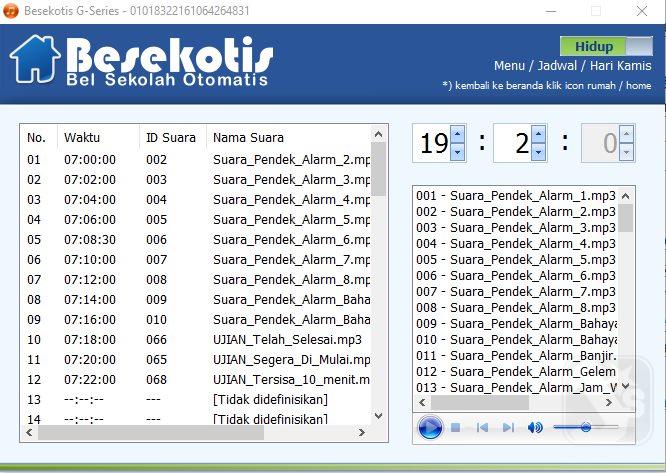
  • Bel Sekolah Otomatis Gratis
    Produk

    Chimunthu Part 3 -

    In Malawi, for example, Chimunthu has become an important aspect of national identity, reflecting the country's rich cultural heritage. Efforts have been made to preserve and promote the Chimunthu tradition, including the establishment of cultural centers and museums. These initiatives aim to educate the younger generation about the significance of Chimunthu and its role in shaping their cultural identity.

    In Part 2, we dove deeper into the world of Chimunthu, exploring its connection to the spiritual realm. We discussed how the Ngoni people believe that Chimunthu are the intermediaries between the living and the divine, serving as messengers and guides. We also examined the various rituals and ceremonies associated with Chimunthu, which are designed to appease and honor these ancestral spirits.

    Additionally, there have been debates about the commercialization of Chimunthu, with some critics arguing that the tradition is being exploited for tourism and financial gain. These concerns highlight the need for responsible cultural tourism and preservation efforts, ensuring that the Chimunthu tradition is respected and honored. chimunthu part 3

    In conclusion, Part 3 of our Chimunthu journey has taken us on a fascinating exploration of the significance of Chimunthu in modern times. From its spiritual significance to its role in cultural exchange, Chimunthu continues to captivate audiences around the world. As we reflect on the Chimunthu tradition, we are reminded of the importance of honoring our ancestors and respecting the cultural heritage of diverse communities.

    The spiritual significance of Chimunthu extends beyond the Ngoni culture, resonating with spiritual seekers from diverse backgrounds. The concept of Chimunthu speaks to the universal human experience of seeking connection with the divine and honoring the ancestors. As people around the world continue to search for meaning and purpose, the Chimunthu tradition offers a unique perspective on the interconnectedness of the spiritual and physical realms. In Malawi, for example, Chimunthu has become an

    As we move forward, it is essential to approach the Chimunthu tradition with sensitivity and respect, recognizing both its cultural significance and its potential for spiritual growth. Whether you are a cultural enthusiast, spiritual seeker, or simply someone interested in learning more about this fascinating topic, we hope that this article has provided a valuable insight into the world of Chimunthu.

    As with any cultural or spiritual practice, challenges and controversies surround the Chimunthu tradition. One of the main concerns is the potential erosion of cultural heritage, as modernization and urbanization threaten to disrupt traditional practices. In Part 2, we dove deeper into the

    As we enter Part 3 of our Chimunthu journey, we find ourselves in the midst of a fascinating discussion. In modern times, the concept of Chimunthu has evolved, taking on new meanings and significance. While the traditional practices and rituals associated with Chimunthu remain an integral part of Ngoni culture, the term has also become a symbol of cultural identity and heritage.

TULISKAN KOMENTAR KAMU

Wajib diisi (No.hp akan kami rahasiakan)*

Nama *

Alamat *

No.hp *